---
title: Guide to 2026/27 Stink Bug Season (Bmsb)
description: BMSB season 2026/27 runs 1 Sept–30 April. See Australia & NZ target risk countries, new treatment rules, and how to avoid container delays.
image: https://info.oceania.kln.com/hubfs/BMBS%20Season-23.png
---
[](https://oceania.kln.com)
- About us
- [Our Team](https://oceania.kln.com/about-us/team)
- [Oceania at a glance](https://oceania.kln.com/about-us/oceania-at-a-glance)
- [Sustainability](https://oceania.kln.com/about-us/sustainability)
- [Global network](https://oceania.kln.com/about-us/global-network)
- Content
- [KnowledgeHub](https://info.oceania.kln.com/knowledgehub)
- [Konnect](https://info.oceania.kln.com/konnect)
- [Customer Advisories](https://info.oceania.kln.com/customer-advisory)
- [Downloads & Resources](https://info.oceania.kln.com/downloads-resources1)
- Solutions
- [VBO - Supply Chain Command Center](https://info.oceania.kln.com/vbo)
- [KLN Online](https://info.oceania.kln.com/kln-online-solutions)
- Freight
- [Ocean Freight](https://info.oceania.kln.com/ocean-freight)
- [Air Freight](https://info.oceania.kln.com/air-freight)
- [Land Freight](https://oceania.kln.com/solutions/land-freight)
- [Multimodal](https://oceania.kln.com/solutions/multimodal)
- [Customs Brokerage](https://oceania.kln.com/solutions/customs-brokerage)
- [Cargo Insurance](https://info.oceania.kln.com/cargo-insurance)
- [Supply Chain Solutions](https://oceania.kln.com/solutions/supply-chain-solutions)
- [Consolidation](https://oceania.kln.com/solutions/consolidation)
- [Integrated Logistics](https://oceania.kln.com/solutions/integrated-logistics)
- Locations
- [Australia](https://oceania.kln.com/locations/australia)
- [Aotearoa New Zealand](https://oceania.kln.com/locations/aotearoa-new-zealand)
- [Global network](https://www.kln.com/en/network/)
- [Track & Trace](https://oceania.kln.com/track-trace)
- [Contact](https://info.oceania.kln.com/contact)
- [Subscribe](https://info.oceania.kln.com/subscribe-communications)
- About us
- [Our Team](https://oceania.kln.com/about-us/team)
- [Oceania at a glance](https://oceania.kln.com/about-us/oceania-at-a-glance)
- [Sustainability](https://oceania.kln.com/about-us/sustainability)
- [Global network](https://oceania.kln.com/about-us/global-network)
- Content
- [KnowledgeHub](https://info.oceania.kln.com/knowledgehub)
- [Konnect](https://info.oceania.kln.com/konnect)
- [Customer Advisories](https://info.oceania.kln.com/customer-advisory)
- [Downloads & Resources](https://info.oceania.kln.com/downloads-resources1)
- Solutions
- [VBO - Supply Chain Command Center](https://info.oceania.kln.com/vbo)
- [KLN Online](https://info.oceania.kln.com/kln-online-solutions)
- Freight
- [Ocean Freight](https://info.oceania.kln.com/ocean-freight)
- [Air Freight](https://info.oceania.kln.com/air-freight)
- [Land Freight](https://oceania.kln.com/solutions/land-freight)
- [Multimodal](https://oceania.kln.com/solutions/multimodal)
- [Customs Brokerage](https://oceania.kln.com/solutions/customs-brokerage)
- [Cargo Insurance](https://info.oceania.kln.com/cargo-insurance)
- [Supply Chain Solutions](https://oceania.kln.com/solutions/supply-chain-solutions)
- [Consolidation](https://oceania.kln.com/solutions/consolidation)
- [Integrated Logistics](https://oceania.kln.com/solutions/integrated-logistics)
- Locations
- [Australia](https://oceania.kln.com/locations/australia)
- [Aotearoa New Zealand](https://oceania.kln.com/locations/aotearoa-new-zealand)
- [Global network](https://www.kln.com/en/network/)
- [Track & Trace](https://oceania.kln.com/track-trace)
- [Contact](https://info.oceania.kln.com/contact)
- [Subscribe](https://info.oceania.kln.com/subscribe-communications)
- [Home](https://kerrylogisticsoceania.com/)
- [Articles](https://info.oceania.kln.com/knowledgehub)
- [Customs](https://info.oceania.kln.com/knowledgehub/tag/customs)
# Ultimate Guide To 2026/27 Stink Bug Season (BMSB): Season Measures for Australia & New Zealand Importers
25 Aug 2026
[Customs](https://info.oceania.kln.com/knowledgehub/tag/customs) [Supply Chain Disruptors](https://info.oceania.kln.com/knowledgehub/tag/supply-chain-disruptors) [Freight Forwarding Tips](https://info.oceania.kln.com/knowledgehub/tag/freight-forwarding-tips) [2026](https://info.oceania.kln.com/knowledgehub/tag/2026)
- [](http://www.facebook.com/sharer/sharer.php?u=https://info.oceania.kln.com/knowledgehub/guide-to-2026/27-stink-bug-season-bmsb)
- [](https://twitter.com/intent/tweet?url=https://info.oceania.kln.com/knowledgehub/guide-to-2026/27-stink-bug-season-bmsb&text=Ultimate%20Guide%20To%202026/27%20Stink%20Bug%20Season%20(BMSB):%20Season%20Measures%20for%20Australia%20&%20New%20Zealand%20Importers)
- [](http://www.linkedin.com/shareArticle?mini=true&url=https://info.oceania.kln.com/knowledgehub/guide-to-2026/27-stink-bug-season-bmsb)
- [](mailto:?body=https://info.oceania.kln.com/knowledgehub/guide-to-2026/27-stink-bug-season-bmsb)
- Copy to clipboardLink Copied
https://info.oceania.kln.com/knowledgehub/guide-to-2026/27-stink-bug-season-bmsb

☰ On this page
On this page
×
↑ Back to top
‹
If you import into **either Australia or New Zealand** from a BMSB risk country, this guide covers what's required in both markets for the 2026/27 season — where the rules align, and where they don't.
## 2026/27 season at a glance
- **Season dates (AU & NZ):** 1 September 2026 – 30 April 2027 (inclusive), based on the shipped-on-board date.
- **Target risk countries & target high-risk goods:** No changes anticipated in either country — existing lists carry over from 2025/26.
- **Random inspections:** Continue for emerging risk countries (UK, China, Japan, South Korea) and for airfreight consignments from the USA and China.
- **Mandatory offshore treatment:** Target high-risk breakbulk cargo — including flat rack and open top containers — continues to require mandatory offshore treatment before arrival in Australia.
- **Three Australia-specific changes this season:** Ethyl Formate now approved onshore, the Rolled Goods Policy removed, and the Safeguarding Arrangement Scheme discontinued (details below).
- **New Zealand:** Core framework unchanged for 2026/27 — same season dates, same target risk country list, same treatment approach.
## When does the BMSB season run in 2026/27?
The Brown Marmorated Stink Bug (BMSB) risk season runs **1 September 2026 to 30 April 2027 (inclusive)** for both Australia and New Zealand, applying to target high-risk goods from target risk countries shipped on board a vessel within that window. Coverage is determined by the shipped-on-board date, not the date cargo arrives or gates in at the wharf, which means shipments boarded before 1 September but arriving after it can still fall outside the mandatory window, and vice versa.
## What's changed for the 2026/27 season?
**Target risk countries and target high-risk goods are unchanged** in both Australia and New Zealand — no changes are currently anticipated to either list. Random inspections also continue as before: goods from emerging risk countries, together with airfreight consignments from the United States and China, remain subject to random inspection throughout the season. And target high-risk goods shipped as breakbulk cargo (including flat rack and open top containers) continue to require mandatory offshore treatment before arrival in Australia.
Where things do change is treatment policy, and these three updates are Australia-specific:
- **Ethyl Formate is now approved for onshore treatment.** Previously restricted to offshore use only, it's now a valid onshore fumigant option alongside Methyl Bromide and Sulfuryl Fluoride.
- **The Rolled Goods Policy has been removed.** Breakbulk cargo must now be shipped or sealed within 120 hours of treatment completion, with no extension. Plan treatment timing tightly — there's no longer a buffer for delayed loading.
- **The Safeguarding Arrangement Scheme has been discontinued.** Existing approvals are no longer valid and no new applications are being accepted this season.
**New Zealand's core framework is unchanged for 2026/27** — season dates, target risk country list, and treatment approach all carry over from[2025/26](https://info.oceania.kln.com/resources-bmsb-2526-guide). None of the three Australia-specific treatment changes above apply to NZ.
Always check for updates closer to shipment, as both DAFF and MPI can amend requirements mid-season.
## Which countries are target risk countries for Australia?
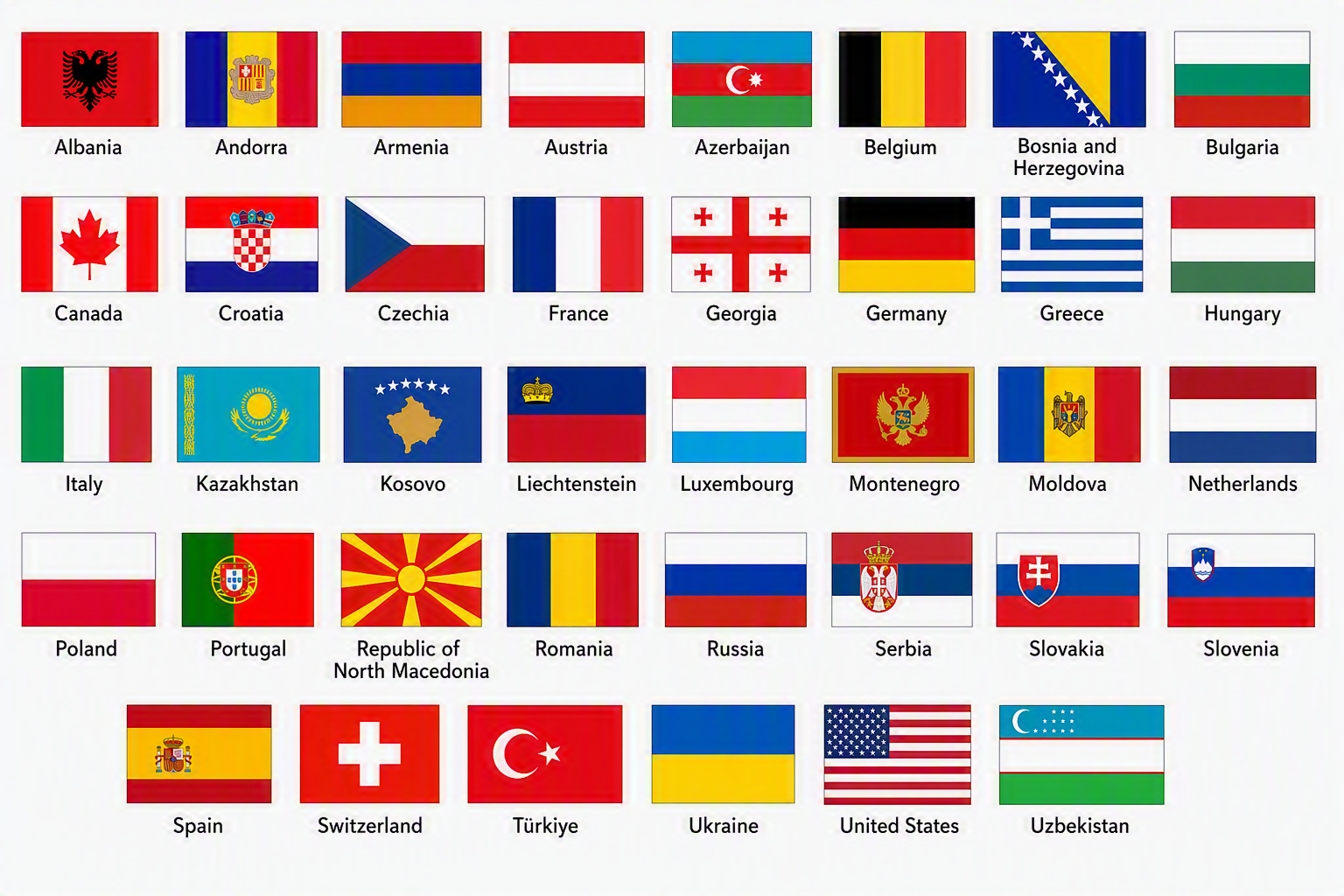
Goods manufactured in or shipped from any of the following are subject to Australia's BMSB measures. The list is unchanged from 2025/26:
- Albania, Andorra, Armenia, Austria, Azerbaijan, Belgium, Bosnia and Herzegovina, Bulgaria, Canada, Croatia, Czechia, France, Georgia, Germany, Greece, Hungary, Italy, Kazakhstan, Kosovo, Liechtenstein, Luxembourg, Montenegro, Moldova, Netherlands, Poland, Portugal, Republic of North Macedonia, Romania, Russia, Serbia, Slovakia, Slovenia, Spain, Switzerland, Türkiye, Ukraine, United States, Uzbekistan.
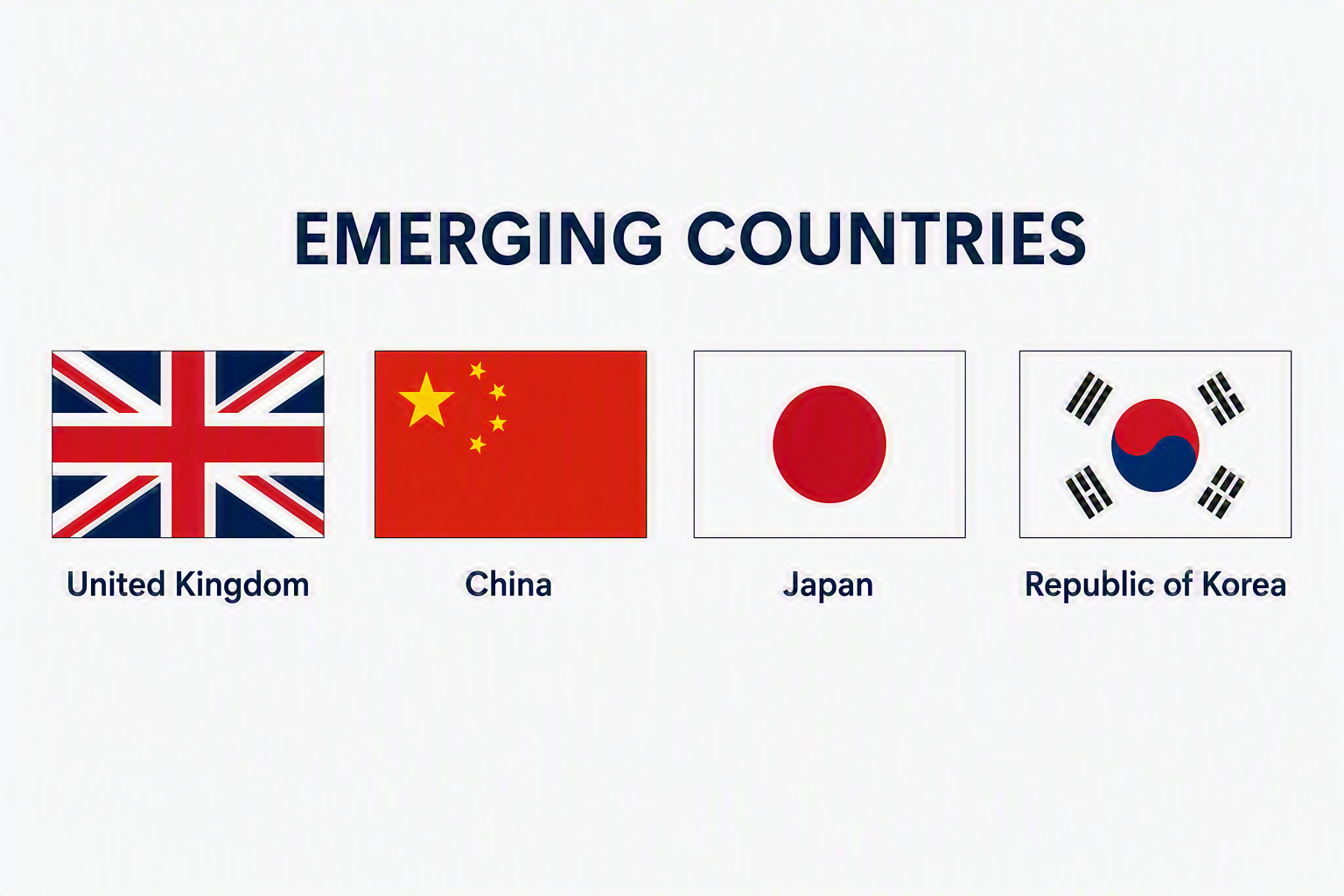
**Emerging risk countries** (subject to random inspection rather than mandatory treatment): United Kingdom, China, Japan, Republic of Korea.
## Which goods require mandatory BMSB treatment in Australia?
It depends on the tariff classification of the goods, not just the country of origin.
**Target High-Risk Goods (mandatory treatment)** — manufactured in or shipped from a target risk country, covering:
- **Chapters 44–45**: wood, cork
- **Chapter 57:** carpets and textile floor coverings
- **Chapters 68–70:** stone, ceramics, glass
- **Chapters 72–83:** base metals and articles
- **Chapters 84–85:** machinery, electricals, parts
- **Chapters 86–89:** rail stock, vehicles, aircraft, ships
**Target Risk Goods (random inspection only, no mandatory treatment)** covering chapters 27–29 (mineral fuels, chemicals), 38–40 (chemicals, plastics, rubber), 48–49 (paper, printed matter), and 56 (wadding, felt, nonwovens, ropes, cables).
Goods shipped by airfreight from the USA and China face random inspection for Target High-Risk goods, but treatment isn't mandatory for air cargo.
## What treatment options are approved for Australia?
Four treatment methods are currently approved:
- Heat treatment
- Methyl Bromide fumigation
- Sulfuryl Fluoride fumigation
- Ethyl Formate fumigation (offshore and, new this season, onshore)
Treatment location depends on cargo type. Offshore treatment is mandatory for target high-risk breakbulk cargo — this includes flat rack and open top containers, which are treated the same as breakbulk for this purpose. Onshore treatment is available for sealed FCL/FCX containers at the container level, and LCL cargo must be treated at container level before deconsolidation.
.png?width=1536&height=1024&name=Designer%20(12).png)
## What's the 120-hour rule?
Once treatment is complete, cargo must be shipped or sealed within **120 hours**. This applies across the board now that the Rolled Goods Policy's 48-hour extension has been removed — build this into your production and booking timelines, particularly for breakbulk shipments where loading delays used to have more slack.
## What are New Zealand's BMSB requirements?
New Zealand's measures focus on **vehicles, machinery, parts, and new tyres**, plus sea containers from certain countries (Italy is specifically called out), rather than the broader goods categories Australia targets. The season dates match Australia's: 1 September 2026 to 30 April 2027, based on export date.
Key points for NZ importers:
- Imports are covered from **38 target risk countries**, broadly overlapping with Australia's list (Europe, North America excluding Alaska/Hawaii, Japan, Russia, Kazakhstan, and Balkan states).
- Only **MPI-approved offshore treatment providers** can treat goods before arrival — there are currently no approved providers in Australia, so goods can't be treated there for NZ import.
- Goods packed into fully sealed, enclosed containers **before 1 September and exported before 1 October** may qualify for exemption from BMSB management, provided you supply seal numbers and dated photographic evidence.
- Sensitive goods are exempt from mandatory treatment, including agricultural compounds and pharmaceuticals, food for human consumption, fresh and frozen products, textiles and leather goods, and polyurethane foam products.
- Containers must allow a minimum **200mm clearance** around contents to ensure adequate treatment circulation.
- All consignees need an FID (Finalised Import Declaration) submitted before container release.
## What happens if goods aren't compliant?
Non-compliant or mis-declared shipments can incur treatment costs, container detention fees, re-export or re-import expenses, and goods can be withheld until costs are settled. Given the tighter 120-hour window this season, the operational risk of leaving treatment bookings late is higher than in previous years.
## FAQ - Frequently asked questions
- **When does BMSB season start and end in 2026?** The 2026/27 BMSB risk season runs from 1 September 2026 to 30 April 2027 for both Australia and New Zealand, based on the shipped-on-board date.
- **Is ethyl formate approved for onshore treatment in 2026/27?** Yes. This is new for the 2026/27 season — ethyl formate was previously offshore-only and is now approved for onshore treatment in Australia alongside methyl bromide and sulfuryl fluoride.
- **Has the Rolled Goods Policy been removed?** Yes, effective for the 2026/27 season. Breakbulk cargo must be shipped or sealed within 120 hours of treatment completion, with no extension.
- **Do target risk countries change for 2026/27?** No. Australia's target risk country list and emerging risk country list (UK, China, Japan, South Korea) are unchanged from the 2025/26 season.
- **Can goods be treated in Australia for New Zealand import?** No. There are currently no MPI-approved treatment providers in Australia, so goods bound for New Zealand cannot be treated there — treatment must occur through an approved offshore provider before shipment.
- **Do flat rack and open top containers count as breakbulk for treatment purposes?** Yes. Target high-risk goods shipped in flat rack or open top containers require mandatory offshore treatment before arrival in Australia, the same as conventional breakbulk cargo.
- **Are the New Zealand and Australia requirements the same?** The season dates align (1 September 2026 – 30 April 2027) and both countries maintain unchanged target risk country lists this season, but the details differ: Australia's measures cover a broad range of goods by tariff chapter, while New Zealand's focus is on vehicles, machinery, parts, and new tyres, plus sea containers from specific countries. Treatment approval processes also differ between the two regulators.
## Need help navigating this season's requirements?
KLN Oceania can advise on treatment scheduling, approved providers, and documentation for your specific cargo and origin country. We can help you review your BMSB exposure before you book your next shipment.
[](https://info.oceania.kln.com/hs/cta/wi/redirect?encryptedPayload=AVxigLK1xrIVmJKsCv7mLXVMHPoDY60T4F4a2z2Mai3ZJtreAZtQ3yAlk2bS37%2BiLDTi123XYwcqbSGsMZcYOzzjv8LFN2%2FR7j9c%2FhUpMFlSiDe9xtm2qFck6cm59%2FgPpBsROy7ZSu3aeGVQ2vj2Stgw1vOuWWvMPNrIx2Du98Ij99GUrAjxZrrwmbiNCwX3cMxtVQOtnlBGI1PVu6uw&webInteractiveContentId=148519118772&portalId=40234550)
### Why Partner with KLN Oceania
Selecting KLN Oceania as your trusted partner isn't just a choice—it's a strategic move towards ensuring your success. Our commitment to excellence is not just a promise; it's a guarantee. With a global network that's both vast and meticulously managed, we stand head and shoulders above the competition. This means you benefit directly from unparalleled service quality, ensuring your supply chain needs are met with precision, efficiency, and minimal hassle.
Are you ready to elevate your logistics game and experience seamless support tailored to your unique needs? Let's discuss how we can bring unparalleled value to your business.
[](https://info.oceania.kln.com/hs/cta/wi/redirect?encryptedPayload=AVxigLK1xrIVmJKsCv7mLXVMHPoDY60T4F4a2z2Mai3ZJtreAZtQ3yAlk2bS37%2BiLDTi123XYwcqbSGsMZcYOzzjv8LFN2%2FR7j9c%2FhUpMFlSiDe9xtm2qFck6cm59%2FgPpBsROy7ZSu3aeGVQ2vj2Stgw1vOuWWvMPNrIx2Du98Ij99GUrAjxZrrwmbiNCwX3cMxtVQOtnlBGI1PVu6uw&webInteractiveContentId=148519118772&portalId=40234550)

## Related articles
[View All](https://info.oceania.kln.com/knowledgehub)
[Customs](https://info.oceania.kln.com/knowledgehub/tag/customs) [FCL or LCL? How Mid-Sized Importers Choose Ocean Freight](https://info.oceania.kln.com/knowledgehub/fcl-vs-lcl-ocean-freight-suitability)
24 Sep 2026
[Ocean Freight](https://info.oceania.kln.com/knowledgehub/tag/ocean-freight) [Golden Week 2026 Shipping Guide: Dates, Delays and Booking Deadlines for AU & NZ Importers](https://info.oceania.kln.com/knowledgehub/golden-week-2026-shipping-guide-dates-delays-and-booking-deadlines-for-au-nz-importers)
03 Sep 2026
[Freight Forwarding Tips](https://info.oceania.kln.com/knowledgehub/tag/freight-forwarding-tips) [LCL Consolidation for Ocean Freight in 2026](https://info.oceania.kln.com/knowledgehub/lcl-consolidation-for-ocean-freight-in-2026)
09 Jul 2026
[Customs](https://info.oceania.kln.com/knowledgehub/tag/customs) [How to Choose an Ocean Freight Forwarder in Australia (2026 Guide)](https://info.oceania.kln.com/knowledgehub/how-to-choose-an-ocean-freight-forwarder-in-australia-2026-guide)
29 Jun 2026
[Customs](https://info.oceania.kln.com/knowledgehub/tag/customs) [How to Choose an Ocean Freight Forwarder in New Zealand (2026 Guide)](https://info.oceania.kln.com/knowledgehub/how-to-choose-an-ocean-freight-forwarder-in-new-zealand-2026-guide)
08 Jun 2026
[Customs](https://info.oceania.kln.com/knowledgehub/tag/customs) [Is the Strait of Hormuz Open? Israel-Iran Shipping Impact Explained](https://info.oceania.kln.com/knowledgehub/israel-iran-tensions)
10 Mar 2026
[Ocean Freight](https://info.oceania.kln.com/knowledgehub/tag/ocean-freight) [Chinese New Year 2026: Supply Chain Disruption Risks and Planning Guide](https://info.oceania.kln.com/knowledgehub/chinese-new-year-2026)
19 Jan 2026
[Ocean Freight](https://info.oceania.kln.com/knowledgehub/tag/ocean-freight) [CHINA'S GOLDEN WEEK 2025](https://info.oceania.kln.com/knowledgehub/golden-week-2025)
18 Sep 2025
### Notices
### Company
### Locations
Connect with KLN Oceania
[](https://www.linkedin.com/company/29366171/)
[](https://www.kln.com/)
© 2026 KLN FREIGHT (OCEANIA) LIMITED. ALL RIGHTS RESERVED.
- [Trading terms](https://oceania.kln.com/legal/trading-terms/)
- [Terms & conditions of use](https://oceania.kln.com/legal/terms-conditions-of-use/)
- [Privacy policy](https://oceania.kln.com/legal/privacy-policy/)
- [Disclaimer](https://oceania.kln.com/legal/disclaimer/)
```json
{
"@context" : "https://schema.org",
"@type" : "BlogPosting",
"author" : {
"@type" : "Person",
"name" : "KLN Oceania",
"url" : "https://info.oceania.kln.com/knowledgehub/author/kln-oceania"
},
"dateModified" : "2026-08-25T01:18:52.828Z",
"datePublished" : "2026-08-25T01:18:21.000Z",
"headline" : "Guide to 2026/27 Stink Bug Season (Bmsb)",
"image" : [ "https://info.oceania.kln.com/hubfs/BMBS%20Season-23.png" ],
"mainEntityOfPage" : {
"@id" : "https://info.oceania.kln.com/knowledgehub/guide-to-2026/27-stink-bug-season-bmsb",
"@type" : "WebPage"
},
"publisher" : {
"@type" : "Organization",
"logo" : {
"@type" : "ImageObject",
"url" : "https://info.oceania.kln.com/hubfs/KLN%20Logo_colour.jpg"
},
"name" : "KLN FREIGHT (OCEANIA) PTY. LTD."
}
}
```